
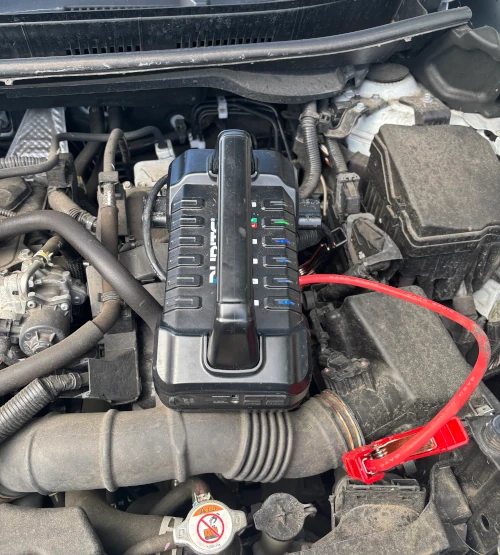
There is no exact expiry date on a car battery — but in typical UK use most last around three to five years. Here is what affects lifespan and when to test or replace.
There is no exact expiry date stamped on a car battery, but there are reliable rules of thumb used by breakdown patrols, garages and motoring organisations across the UK.
Knowing realistic lifespan helps you replace on your terms instead of breaking down on a cold morning or hot motorway.
Typical car battery lifespan in the UK
Most standard lead-acid car batteries last between three and five years in normal use. Consumer Reports and AAA cite similar ranges, with hotter climates shortening life and cooler northern regions sometimes seeing slightly longer service, though UK winters still punish weak batteries at the worst moment.
Stop-start vehicles with EFB or AGM batteries may see different patterns: they handle more engine cycles but fail fast if the wrong battery type is fitted or the battery management system is not reset after replacement.
What shortens battery life
Mostly short journeys
The alternator needs sustained running time to replace the energy used to start the engine. Repeated five-minute trips never fully recharge the battery, leading to sulphation and capacity loss.
Extreme heat under the bonnet
Summer heat accelerates internal corrosion. Many batteries fail in July or August even though the driver blames the next winter.
Deep discharge events
Leaving lights on, a faulty alternator, or frequent jump starts from a nearly dead state all damage long-term capacity.
Corrosion and loose terminals
Poor connections cause charging problems and localised heat — the battery works harder than it should.
Wrong battery type
Fitting a standard flooded battery to a stop-start car can fail within months. Always match EFB or AGM requirements.
Infrequent use
Cars that sit for weeks between use slowly discharge and may never reach full charge — classic on second cars and convertibles.
When to test and when to replace
Start load-testing at three years Many garages offer a quick load test before winter or a long trip. The RAC suggests considering replacement around a three-year cycle if tests show weakness.
Replace proactively at four to five years If the battery has no test history and is in this age bracket, replacement before failure is usually cheaper than breakdown recovery and lost time.
Replace immediately if the case is swollen A bulging battery case indicates internal damage or overcharging — do not jump start repeatedly; replace.
Replace after two failed boosts in a month A battery that will not hold charge after successful runs has reached end of life. Further jump starts mask the problem.
Match technology on stop-start cars Upgrade EFB to AGM if recommended for your vehicle, but never downgrade from AGM to a standard battery.
Which? and the AA both publish guides on choosing a replacement — look for the correct technology, capacity (Ah) and cold cranking amps for your engine size. Cheap batteries with vague labels often disappoint within a year on modern cars.
Key points to remember
- Three to five years is the usual UK lifespan for a standard 12V battery
- Short journeys and summer heat often shorten life more than drivers expect
- Load-test from three years old; replace proactively if results are weak
- Stop-start cars must keep EFB or AGM technology — never downgrade
Useful battery and breakdown guides
Further reading from motoring organisations and official sources.