
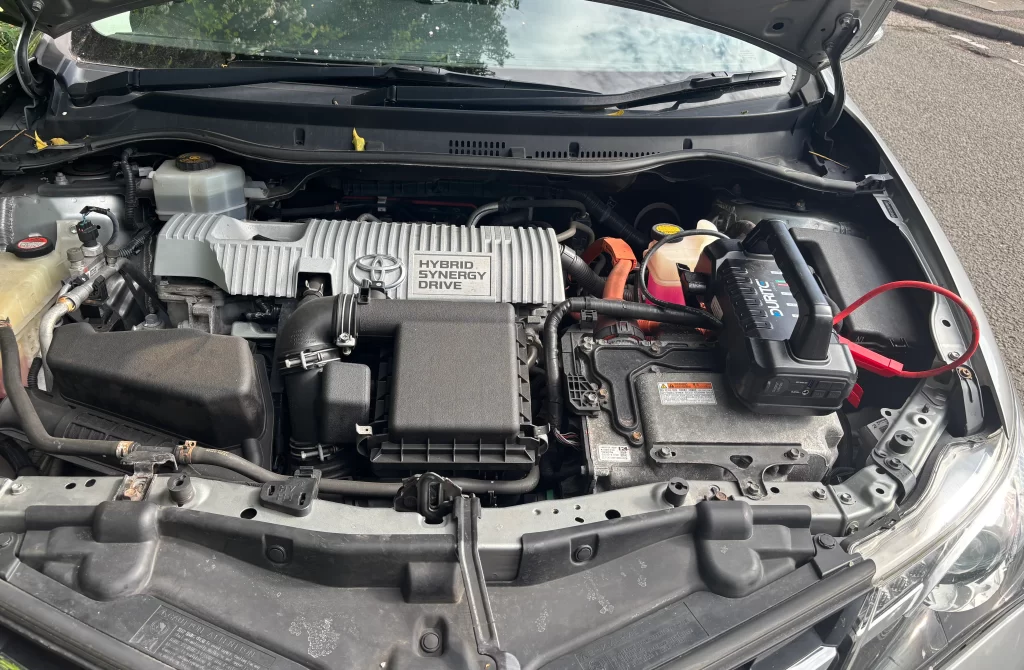
When your vehicle suddenly refuses to start because of a flat or dead battery, one of the first questions many drivers ask is: should you jump start a car yourself? While jump-starting a vehicle may seem straightforward, modern vehicles are far more advanced than older cars and often contain sensitive electronics, battery management systems, and complex electrical components. Attempting to jump start a modern car yourself without the correct knowledge or equipment can sometimes create more problems than it solves.
Many drivers carry jump leads in the boot and assume they can simply connect another vehicle and restart the battery within minutes. However, incorrect jump-start procedures can damage your vehicle’s battery, alternator, ECU, sensors, or other electrical systems. In some situations, using the wrong type of jump leads or connecting terminals incorrectly can even create safety risks.
That is why more drivers are choosing professional mobile jump start services instead of attempting roadside battery jump starts themselves.
Modern Vehicles Are More Sensitive Than Older Cars
Years ago, jump-starting a car was considered a relatively simple process. Modern petrol, diesel, hybrid, and start-stop vehicles are very different. Today’s vehicles contain advanced electronics and computer-controlled systems that are sensitive to voltage fluctuations and incorrect jump-start procedures.
Incorrectly connecting battery terminals can potentially damage:
- Engine control units (ECUs)
- Sensors and onboard computers
- Start-stop systems
- Battery management systems
- Infotainment systems
- Alternators and charging systems
Hybrid and electric-assisted vehicles can be even more sensitive. Some modern cars also have batteries located in unusual positions such as under seats, in the boot, or behind trim panels, making safe jump-starting more complicated for inexperienced drivers.
Because of this, many manufacturers now recommend using professional roadside assistance or approved battery boosting methods instead of traditional jump leads.
The Risks of Jump Starting a Car Yourself
Trying to jump start a car yourself can feel stressful, especially if you are stranded in a busy car park, at the roadside, or during poor weather conditions. Many people are unsure which cable goes where or how long to leave the vehicles connected before attempting to restart the engine.
Common mistakes include:
- Connecting jump leads in the wrong order
- Mixing positive and negative terminals
- Using poor-quality or damaged jump leads
- Attempting to jump start a damaged battery
- Using an unsuitable donor vehicle
- Creating voltage spikes that affect electronics
Even a simple mistake can leave your vehicle with electrical faults or additional battery problems. In some cases, a battery may be too damaged or weak to safely jump start at all.
Safety is another important factor. Car batteries contain acid and can release gases, especially when damaged or overcharged. Incorrect jump-starting procedures can sometimes cause sparks or battery failure, creating potential safety hazards for drivers and passengers.
Why Many Drivers Choose Professional Jump Start Services
Professional mobile jump start services provide a safer and more convenient alternative to attempting the job yourself. Instead of searching for jump leads or relying on another driver for assistance, roadside technicians come directly to your location with professional heavy-duty battery booster equipment designed for modern vehicles.
Using a professional service means:
- Your vehicle is assessed properly
- Safe jump-start procedures are followed
- Sensitive electronics are protected
- Professional battery booster packs are used
- You avoid roadside stress and confusion
- Faster and more reliable assistance is available
Professional roadside technicians are experienced in dealing with flat batteries, dead batteries, and non-starting vehicles every day. They understand how to safely restart different vehicle types including petrol cars, diesel cars, hybrids, SUVs, vans, and light commercial vehicles.
Common Causes of Flat Car Batteries
Many drivers assume a dead battery means the battery itself is faulty. While old or weak batteries are common, flat batteries can happen for several reasons including:
- Leaving headlights or interior lights on
- Cold weather reducing battery performance
- Long periods without driving
- Faulty alternators
- Electrical drains
- Old batteries reaching the end of their lifespan
- Frequent short journeys preventing proper charging
Professional roadside technicians can often help identify whether the battery simply needs a jump start or whether there may be an underlying issue causing the problem.
Mobile Jump Start Services Are Fast and Convenient
One of the biggest advantages of using a mobile jump start service is convenience. Instead of asking strangers for help or searching for another vehicle with jump leads, professional technicians come directly to your location.
Whether you are stranded:
- At home
- At work
- In a supermarket car park
- At a train station
- At an airport
- On the roadside
- At a motorway service station
mobile roadside assistance teams can provide quick and reliable support.
Many emergency jump start services are available 24 hours a day, making them especially useful during late-night breakdowns, early morning battery failures, or winter weather emergencies.
Is It Ever Safe to Jump Start a Car Yourself?
In some situations, experienced drivers with the correct equipment may safely jump start a vehicle themselves. However, it is important to follow manufacturer guidance carefully and ensure the battery is not physically damaged or leaking.
If you are unsure about:
- The condition of the battery
- The correct jump-start procedure
- Vehicle compatibility
- Battery terminal locations
- Hybrid or start-stop systems
it is usually safer to contact a professional roadside assistance company.
Modern vehicles are expensive to repair, and even small electrical issues can quickly become costly. Using a professional jump start service can help reduce the risk of accidental damage while providing peace of mind that the job is being handled correctly.
Final Thoughts
So, should you jump start a car yourself? While it may be possible in some situations, modern vehicles are more advanced and sensitive than ever before. Incorrect jump-starting can potentially damage electrical systems, create safety risks, and leave drivers dealing with expensive repairs.
Professional mobile jump start services provide a safer, quicker, and more reliable solution for drivers dealing with flat or dead batteries. With trained technicians, professional booster equipment, and 24/7 roadside assistance available, many drivers now prefer expert help rather than attempting risky DIY battery jump starts.
If your vehicle will not start because of a flat battery, using a trusted roadside assistance service can help get you back on the road safely without the stress, confusion, or risk of damaging your vehicle.