
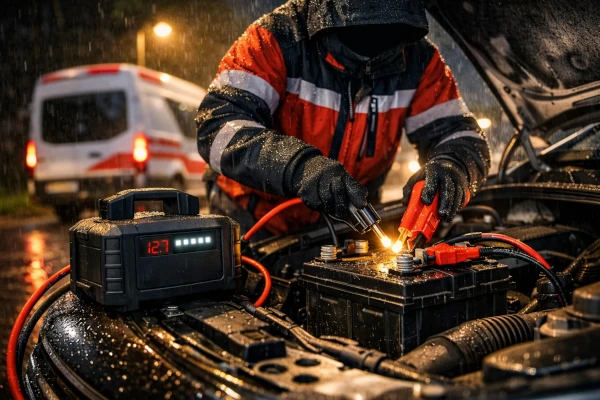
Rapid Clicking Noise When Starting a Car
Hearing a rapid clicking noise when starting your car can be frustrating and worrying, especially when the engine refuses to turn over. Many drivers immediately fear expensive engine problems or major electrical faults, but in most cases, a fast clicking sound is actually caused by a weak or dead car battery. It is one of the most common battery-related issues drivers experience, particularly during cold weather, after leaving lights on, or when a vehicle has not been driven for several days.
If your car makes a rapid clicking noise when you turn the key or press the start button, it usually means the battery does not have enough power to properly engage the starter motor and crank the engine. While the lights on the dashboard may still come on, the battery voltage may be too low to start the vehicle successfully.
The good news is that many clicking battery problems can often be solved quickly with a professional jump start service or battery boost. Understanding why the clicking happens can help drivers react calmly and avoid unnecessary stress.
What Causes a Rapid Clicking Noise When Starting?
A rapid clicking sound is usually connected to the starter relay or starter solenoid repeatedly trying to engage. When there is not enough battery power available, the starter cannot fully operate, causing the relay to click rapidly instead of turning the engine over properly.
This problem is most commonly caused by:
- Weak or dead car battery
- Cold weather affecting battery performance
- Leaving headlights or interior lights on
- Battery age and wear
- Loose or corroded battery terminals
- Electrical drain from accessories
- Vehicle left unused for long periods
- Charging system or alternator issues
In many situations, the battery may still have enough power for dashboard lights, radio functions, or interior lights, but not enough power to start the engine itself.
Cold Weather Often Makes Battery Problems Worse
One of the most common times drivers experience rapid clicking noises is during winter. Cold temperatures reduce battery efficiency and make it harder for batteries to deliver the power needed to crank the engine. Older batteries are especially vulnerable during freezing weather conditions.
A battery that worked perfectly the previous day may suddenly struggle on a cold morning. This is because cold weather slows chemical reactions inside the battery, reducing its available power output. At the same time, the engine requires more energy to start in lower temperatures.
This is why emergency car battery jump start services become particularly busy during winter months.
Is a Clicking Noise Always a Battery Problem?
Although a flat or weak battery is the most common cause, rapid clicking sounds can sometimes point to other electrical issues. In some situations, the battery itself may not be the only problem.
Other possible causes can include:
- Faulty starter motor
- Damaged starter relay
- Poor battery cable connections
- Corroded battery terminals
- Failing alternator
- Electrical faults draining the battery
However, battery-related problems remain by far the most common reason for rapid clicking during startup.
If the vehicle starts normally after a jump start, that is often a strong sign that the battery charge was simply too low.
Why a Professional Jump Start Is Often the Best Solution
Many drivers attempt to solve battery problems themselves using jump leads or portable battery packs. While this may work in some cases, modern vehicles are far more sensitive than older cars and contain advanced electrical systems that can be damaged by incorrect jump-start procedures.
Professional mobile jump start services provide a safer and more reliable option for dealing with rapid clicking battery problems. Roadside technicians use professional heavy-duty booster equipment designed for modern petrol, diesel, hybrid, SUV, and van batteries.
Using a professional service helps reduce the risk of:
- Incorrect battery connections
- Voltage spikes
- Electrical system damage
- Faulty jump lead usage
- Unsafe roadside situations
Professional roadside technicians can also quickly assess whether the issue is likely to be a flat battery or whether there may be another underlying fault.
Common Signs Your Battery May Be Failing
A rapid clicking sound is often one of the final warning signs before a battery completely fails. Drivers may notice other symptoms beforehand including:
- Slow engine cranking
- Dim headlights
- Dashboard warning lights
- Electrical systems behaving strangely
- Weak interior lights
- Start-stop systems not working properly
- Battery warning lights appearing
If you notice these symptoms regularly, it may be time to have the battery checked before a complete breakdown occurs.
Can a Flat Battery Damage Your Vehicle?
A simple flat battery usually does not damage the vehicle itself. However, repeatedly trying to start a car with very low battery voltage can sometimes place strain on electrical components and starter systems.
In addition, constantly ignoring battery warning signs may increase the chance of becoming stranded unexpectedly. This can be especially stressful during poor weather, late at night, or in busy roadside locations.
Getting the problem checked early can help prevent more serious issues later on.
What Should You Do If Your Car Is Clicking But Won’t Start?
If your car makes a rapid clicking sound and refuses to start, the safest option is usually to stop repeated start attempts and arrange professional roadside assistance.
Repeatedly turning the key may continue draining the battery and can sometimes worsen the situation. A roadside technician can safely test the battery condition, provide a professional jump start, and check for signs of battery or charging system problems.
Mobile roadside assistance services can often reach drivers quickly at:
- Homes
- Workplaces
- Car parks
- Supermarkets
- Train stations
- Airports
- Motorway services
- Roadside breakdown locations
This makes mobile battery assistance far more convenient than searching for jump leads or relying on help from strangers.
Preventing Future Battery Problems
While battery problems cannot always be avoided completely, there are several ways drivers can reduce the risk of flat batteries and startup clicking issues.
Helpful tips include:
- Avoid leaving lights or electronics on
- Drive regularly to keep the battery charged
- Check battery condition before winter
- Keep battery terminals clean
- Replace old batteries before failure
- Have charging systems checked if problems repeat
Regular vehicle maintenance can help reduce unexpected battery failures and improve overall reliability.
Final Thoughts
If your car makes a rapid clicking noise when starting, there is a very good chance the battery does not have enough charge to turn the engine over properly. While the sound can be alarming, the problem is often far less serious than many drivers first assume.
In many cases, a professional jump start is all that is needed to get the vehicle moving again safely. Experienced roadside technicians can also help determine whether the issue was caused by a one-off battery drain or whether further attention may be needed to avoid future breakdowns.
Acting early when battery warning signs appear can help prevent more serious problems, reduce stress, and keep your vehicle reliable throughout the year.